Anggie: Elevating Design with Elegant Script Typography
In the world of visual communication, typography is rarely just about readability; it is about emotion. It sets the tone before a single word is read. For designers, entrepreneurs, and creatives seeking to convey sophistication, luxury, and timeless beauty, finding the right typeface can be the difference between a project that feels ordinary and one that feels exceptional. Enter Anggie, an elegant script font designed not merely for decoration, but for creating a distinct creative mood with perfect form.
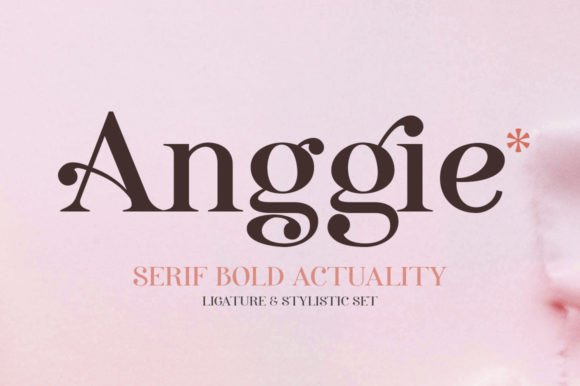
Anggie is more than just a collection of curves and lines. It is a serif display font that balances thick, balanced strokes with varied weight, born specifically for luxury and beauty. Whether you are crafting a brand identity, designing wedding invitations, or labeling premium products, Anggie offers the versatility to adapt to high-end contexts while maintaining legibility and grace. This article explores how this distinctive typeface can transform your projects, providing practical insights for creators across various industries.
The Anatomy of Elegance: What Makes Anggie Unique?
At its core, Anggie is inspired by the classic aesthetics of beautiful serif displays. However, it distinguishes itself through a dynamic interplay of thickness and thinness. The font features thick, balanced stems contrasted with delicate, sweeping terminals. This variation creates a visual rhythm that draws the eye, making it ideal for headlines, logotypes, and prominent text elements where impact is key.
One of the most compelling aspects of Anggie is its comprehensive character set. It includes beautiful uppercase and lowercase letters, numbers, and punctuation marks. But beyond the standard set, Anggie shines in its attention to detail through alternative characters. These alternatives allow for greater customization and personalization, enabling designers to tweak the flow of a word or emphasize specific letters without breaking the overall aesthetic. Additionally, the inclusion of early and late sweeps adds a sense of movement and fluidity, mimicking the natural motion of hand-lettering while retaining the precision of digital typography.
For users who value consistency and quality, Anggie provides a robust toolkit. The variety in the glyph set ensures that you are not limited to a rigid structure. Instead, you have the freedom to arrange text in ways that feel organic yet controlled. This balance is crucial for luxury branding, where every pixel contributes to the perception of value.
Creative Applications: From Branding to Packaging
Understanding the theoretical qualities of a font is important, but seeing it in action reveals its true potential. Anggie is versatile enough to serve a wide range of applications, each requiring a slightly different approach to maximize its effectiveness.
Logotypes and Brand Identity
For small business owners and marketers, a logo is the face of the brand. Anggie’s elegant script style is particularly effective for brands that want to communicate heritage, craftsmanship, or exclusivity. Think of artisanal coffee roasters, boutique fashion labels, or high-end consulting firms. When used as a logotype, Anggie conveys confidence and refinement. To keep the result clear and effective, consider using the uppercase variants for the primary brand name, paired with a simpler sans-serif font for subheads or body text. This contrast ensures that the brand remains memorable without sacrificing readability in smaller formats.
Wedding Invitations and Romantic Cards
Perhaps the most traditional use for script fonts is in stationery. Anggie is perfectly suited for wedding invitations, save-the-dates, and romantic greeting cards. Its flowing lines and sophisticated curves evoke feelings of romance and celebration. However, legibility is paramount in invitation design. To ensure your guests can easily read the details, use Anggie sparingly for names and key phrases, such as "Together Forever" or the couple's names. Pair these with a clean, highly readable serif or sans-serif font for the date, time, and venue information. This hierarchical approach keeps the design organized and audience-friendly.
Alcohol Labels and Premium Packaging
In the competitive world of consumer goods, packaging must stand out on the shelf. Anggie’s bold yet graceful presence makes it an excellent choice for alcohol labels, cosmetic packaging, and gourmet food branding. The thick, balanced strokes of the font command attention, while the decorative elements add a touch of luxury. When designing for packaging, consider how the text will interact with other graphic elements. Anggie works well when given ample white space, allowing the letterforms to breathe and shine. Use the alternative characters to create unique monograms or initials that can serve as a recurring motif across your product line.
Practical Tips for Implementation
To get the most out of Anggie, it is essential to apply it with intention. Here are some practical recommendations for integrating this font into your workflow:
- Balance is Key: Because Anggie is a display font, it should not be used for long paragraphs of body text. Reserve it for titles, headings, logos, and short phrases. Use it to anchor your design, then let other fonts handle the detailed information.
- Leverage Alternatives: Take advantage of the alternative characters to customize your text. If a standard 'A' looks too sharp or a 'g' feels too closed, experiment with the alternatives to find the version that best fits your layout. This small adjustment can significantly enhance the overall harmony of your design.
- Consider Color and Texture: The elegance of Anggie is amplified when paired with rich colors or textured backgrounds. Gold foil, deep navy, or soft pastels can complement the font’s luxurious feel. Similarly, applying subtle textures like paper grain or linen can add depth and tactility to digital designs.
- Maintain Consistency: If you are using Anggie for a brand, establish clear guidelines for its usage. Decide which weights, cases, and alternatives are appropriate for different contexts. Consistency helps build brand recognition and ensures that your visual identity remains cohesive across all platforms.
Who Can Benefit from Using Anggie?
Anggie is not limited to professional graphic designers. Freelancers, bloggers, educators, and hobbyists can also benefit from its versatility. Bloggers might use Anggie for featured post titles or pull quotes to add a touch of personality to their content. Educators could incorporate it into presentation slides or handouts to make learning materials feel more engaging and polished. Even small business owners without design experience can use pre-made templates featuring Anggie to create professional-looking social media graphics, email newsletters, and marketing materials.
The font’s ability to adapt to different goals and audiences makes it a valuable asset for anyone looking to elevate their visual communication. By choosing Anggie, you are not just selecting a typeface; you are choosing a tool that helps you tell your story with clarity, beauty, and purpose.
Conclusion
In a digital landscape saturated with generic templates and mass-produced content, standing out requires a commitment to quality and detail. Anggie offers a solution for those who want their work to reflect luxury, creativity, and care. With its elegant script style, comprehensive character set, and versatile applications, it empowers users to create designs that resonate on an emotional level. Whether you are launching a new brand, planning a special event, or simply looking to inspire your audience, Anggie provides the perfect foundation for beautiful, effective design. Embrace the creative possibilities, experiment with its variations, and watch as your projects take on a new dimension of sophistication.