Custom Nurse Appreciation Embroidery
In the fast-paced environment of healthcare, recognition often gets lost in the shuffle of shift changes, patient charts, and administrative duties. However, tangible gestures of gratitude can significantly boost morale and reinforce professional identity. Custom Nurse Appreciation Embroidery has emerged as a sophisticated method for acknowledging the dedication of medical professionals. This approach moves beyond generic gift cards or mass-produced items, offering a personalized touch that resonates deeply with nurses, nursing students, and other healthcare providers.
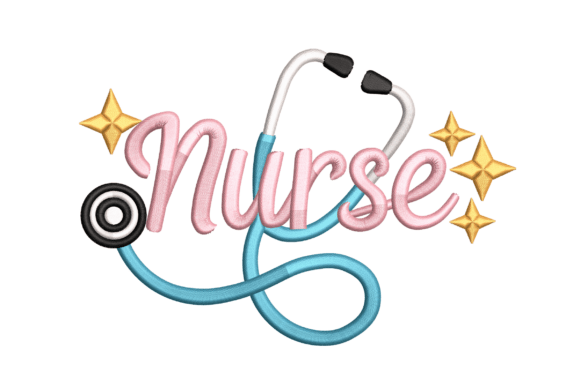
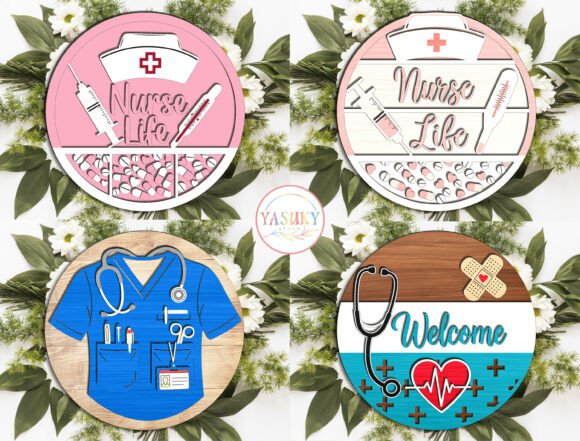
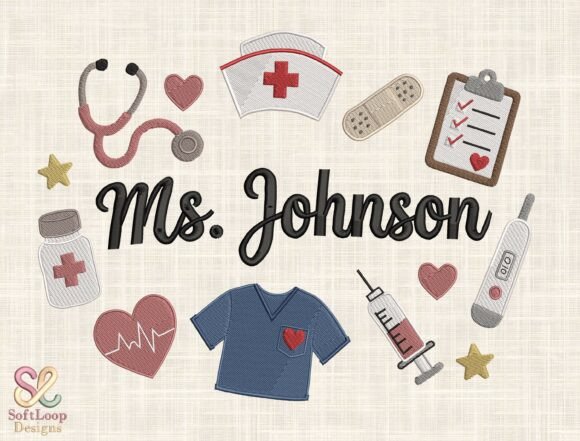
The core of this process involves integrating specific medical iconography—such as stethoscopes, nurse’s caps, clipboards, scrub tops, syringes, and thermometers—with soft decorative elements like hearts and stars. These are paired with elegant script lettering featuring the recipient's name. The result is not merely a decoration but a statement of professional pride. For entrepreneurs, small business owners, and hobbyists involved in gifting or uniform customization, understanding the workflow behind creating these designs is essential for delivering high-quality, meaningful products.
Understanding the Design Workflow
Before diving into production, it is crucial to understand the components that make up a successful embroidery design. The aesthetic appeal relies on a harmonious balance between clinical symbols and personalization. The collection typically features a soft color palette, ensuring that the final product looks professional rather than cluttered. Smooth embroidery fills provide texture and depth, while crisp details ensure that small icons remain legible even at reduced sizes.
When planning a project involving Custom Nurse Appreciation Embroidery, the first step is asset preparation. This includes selecting the appropriate digitized files. Digitization is the process of converting an image into a format that an embroidery machine can read. A well-digitized file accounts for fabric tension, stitch direction, and density. Poorly digitized files can lead to puckering, thread breaks, or loss of detail, particularly when working with complex scripts or fine lines found in medical instruments.
- Icon Selection: Choose symbols that reflect the specific role of the recipient. A stethoscope might suit a registered nurse, while a clipboard could represent a medical assistant or administrator.
- Typography Choice: Elegant script lettering adds a layer of sophistication. Ensure the font is readable and compatible with the scale of the design.
- Color Palette: Soft pastels or classic medical blues and greens work well. Avoid overly bright colors that may clash with standard hospital uniforms.
Integration into Business and Personal Projects
For small business owners and freelancers, Custom Nurse Appreciation Embroidery represents a niche market with high demand, particularly during Nurse Appreciation Week, graduation seasons, and end-of-year holidays. Integrating this service into a broader workflow requires careful attention to compatibility and consistency.
Material Compatibility is a critical factor. Embroidery works best on sturdy fabrics like cotton blends, polyester scrubs, and canvas tote bags. Delicate fabrics may require stabilizers to prevent distortion. When designing for clients, always test samples on the actual material intended for use. This step helps identify potential issues with thread tension or fabric stretch before committing to bulk production.
Workflow Efficiency can be improved by creating templates. If you are producing multiple custom items, establish a library of pre-digitized icons. This allows for rapid assembly of new designs by simply swapping out names or adjusting minor layout elements. However, avoid rigid automation that sacrifices personalization. The value proposition lies in the unique combination of the individual’s name with their chosen symbols.
Practical Implementation Tips
Executing an embroidery project successfully involves more than just loading a file into a machine. It requires a systematic approach to quality control and organization.
Preparation and Setup
Begin by hooping the fabric correctly. Use the right type of stabilizer—cut-away for stretchy materials like scrubs, and tear-away for stable fabrics like tote bags. Incorrect stabilization is a common source of error, leading to misaligned stitches or damaged garments. Ensure the fabric is taut in the hoop to maintain consistent stitch length and tension.
Quality Control During Production
Monitor the first few runs closely. Check for:
- Thread Tension: Upper and bobbin threads should interlock neatly within the fabric layers.
- Registration: Ensure the design aligns perfectly with the intended placement on the garment.
- Detail Clarity: Verify that small icons, such as the tip of a syringe or the markings on a thermometer, are clearly defined.
If any issues arise, adjust the settings immediately. Document these adjustments for future reference to maintain consistency across batches.
Post-Production Care
Once the embroidery is complete, remove the item from the hoop carefully. Trim any loose threads and inspect the back of the design for excess stabilizer residue. Provide care instructions to the end-user. While embroidery is durable, harsh washing cycles can degrade the threads over time. Recommend washing inside out on a gentle cycle to preserve the integrity of the stitching.
Expanding Use Cases Beyond Scrubs
While scrubs and lab coats are the most obvious applications, Custom Nurse Appreciation Embroidery offers versatility across various media. Consider expanding your product line to include:
- Tote Bags: Canvas totes are popular among nurses for carrying lunch, books, or personal items. They provide a large, flat surface ideal for larger designs.
- Hats and Caps: Brimmed hats offer a subtle yet professional way to display pride. Ensure the design fits the curvature of the cap without distorting.
- Journal Covers: For nursing students, embroidered journals serve as both study aids and keepsakes.
- Wall Art: Framed embroidery pieces can make thoughtful gifts for retired nurses or those celebrating milestone anniversaries.
Each medium presents unique challenges. For instance, embroidering on curved surfaces like hats requires specialized hoops and techniques to ensure the design lays flat. Testing is paramount here. Create prototypes for each new product category to refine your technique and ensure customer satisfaction.
Marketing and Audience Engagement
Understanding your audience is key to effective marketing. Nurses and healthcare workers value professionalism, durability, and personal connection. Highlight these aspects in your communications. Emphasize the quality of the digitization and the care taken in the production process.
Use social media platforms to showcase your work. Before-and-after photos, close-ups of the stitching details, and testimonials from satisfied customers can build trust and credibility. Share stories about why certain designs were chosen for specific recipients, adding a narrative element that resonates with viewers.
Consider collaborating with local hospitals, nursing schools, or healthcare associations. Offering bulk discounts for group orders or sponsoring events with branded giveaways can increase visibility. Partnering with influencers in the nursing community can also amplify your reach, provided the partnership feels authentic and aligned with their values.
Long-Term Value and Sustainability
Investing in high-quality embroidery equipment and software pays dividends in the long run. Durable machines produce fewer errors and require less maintenance, reducing downtime. High-quality threads resist fading and fraying, ensuring that the finished products retain their appearance over time. This focus on quality reinforces brand reputation and encourages repeat business.
Furthermore, consider sustainable practices. Use eco-friendly threads and recyclable packaging where possible. Many healthcare professionals are environmentally conscious and appreciate brands that share these values. Reducing waste by optimizing fabric usage and minimizing errors also contributes to operational efficiency.
Conclusion
Custom Nurse Appreciation Embroidery is more than a craft; it is a strategic tool for recognizing excellence in healthcare. By mastering the workflow—from digitization and material selection to quality control and marketing—you can deliver products that truly honor the hard work of nurses and medical staff. Whether you are a seasoned entrepreneur or a hobbyist looking to start a side business, focusing on practical execution and user-centric design will set you apart. Remember, the goal is to create something that makes the recipient feel seen, valued, and proud of their profession. With careful planning and attention to detail, Custom Nurse Appreciation Embroidery becomes a powerful testament to the dedication of healthcare heroes.