Retro Voyage
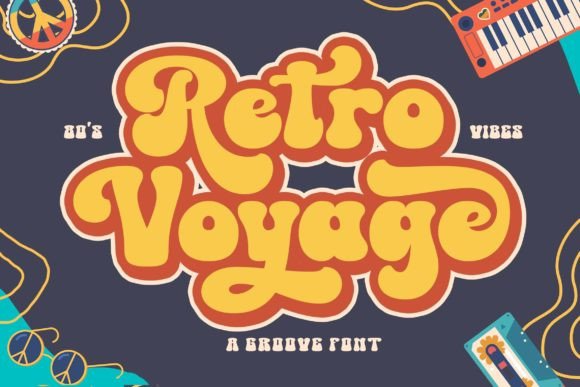
Transport yourself back to the golden eras of the 70s and 80s with Retro Voyage, a signature script font that captures the epitome of vintage charm and groovy vibes. Inspired by the iconic styles of yesteryears, this typeface brings nostalgia to life in every curve and flourish. For designers, marketers, and brand owners, it offers more than just aesthetic appeal; it serves as a passport to a bygone era, infusing projects with a distinct sense of history and personality.
Whether you are designing logos, packaging, advertisements, or corporate materials, Retro Voyage adds a touch of retro sophistication that can captivate your audience. However, integrating such a specific stylistic element into modern design requires more than just dropping text onto a canvas. It demands an understanding of context, legibility, and appropriate application to ensure the final result feels authentic rather than cluttered or outdated.
Understanding the Aesthetic Appeal
The primary draw of Retro Voyage is its ability to evoke emotion through visual style. The 1970s and 1980s were decades defined by bold colors, experimental shapes, and a break from rigid modernist conventions. This font mirrors those characteristics, offering fluid lines and decorative elements that suggest movement and joy. When used correctly, it can instantly communicate warmth, creativity, and a relaxed attitude.
For small business owners launching a boutique coffee shop, a vinyl record store, or a vintage clothing line, this font acts as a visual shorthand for the brand’s identity. It signals to the consumer that the experience will be unique, curated, and steeped in tradition. Similarly, bloggers and content creators might use it for headers or pull quotes to break up dense text and add a layer of visual interest that standard sans-serif fonts lack.
The Importance of Context
While the font is versatile, its power lies in its specificity. One common mistake beginners make is attempting to use Retro Voyage for body text or long-form content. Because of its decorative nature and varying stroke widths, it can become difficult to read when scaled down or used in paragraphs. This leads to user fatigue and reduces the effectiveness of your communication.
Instead, reserve Retro Voyage for headlines, titles, short phrases, and logos. Pair it with simpler, cleaner typefaces for supporting text. For example, a combination of Retro Voyage for the main title and a neutral sans-serif like Helvetica or Arial for the description creates a balanced hierarchy. This approach ensures that the "groovy" vibe enhances the message without overwhelming it.
Common Pitfalls in Usage
Even experienced designers can fall into traps when working with highly stylized fonts. Understanding these pitfalls is crucial for maintaining professional quality.
- Overuse of Decorative Elements: One of the risks with script fonts is that they often contain swashes and flourishes. Using too many variations of the same letterform can create visual noise. Stick to standard character sets unless a specific flourish is absolutely necessary for emphasis.
- Inappropriate Color Choices: The retro aesthetic often pairs well with warm tones like mustard yellow, burnt orange, and teal. However, high-contrast neon combinations can sometimes clash with the organic feel of the script. Test your color palette against the font to ensure harmony rather than vibration.
- Lack of Kerning Adjustment: Script fonts rely heavily on the spacing between letters to maintain their flow. Default kerning settings may not always account for the unique curves of Retro Voyage. Always manually adjust spacing to prevent letters from overlapping or appearing too disjointed.
Evaluating Licensing and Commercial Use
Before downloading or purchasing Retro Voyage, it is essential to review the licensing terms carefully. Many vintage-inspired fonts come with different tiers of licenses, ranging from personal use only to full commercial rights. Misunderstanding these terms can lead to legal issues and unexpected costs.
If you are using the font for a client project, a product package, or a branded website, you typically need a commercial license. Some foundries offer extended licenses for merchandise or high-volume print runs. Failing to secure the correct license not only risks financial penalties but also damages your professional reputation. Always verify the scope of usage before committing to a design direction.
Technical Considerations
Another overlooked detail is file format compatibility. Ensure that the version of Retro Voyage you acquire supports the web formats (such as WOFF or WOFF2) if you plan to embed it on a website. If the font is only available in desktop formats (like TTF or OTF), you may need to convert it or use it as static images for web headers, which can impact loading speeds and accessibility.
Additionally, check for language support. If your target audience includes non-English speakers, verify that the font includes accented characters and special symbols required for those languages. A missing accent mark can detract from the polished look of your design and confuse international customers.
Strategic Application for Maximum Impact
To truly leverage the power of Retro Voyage, consider how it fits into your broader brand strategy. Fonts are part of a visual ecosystem that includes color, imagery, and layout. Here are some practical ways to integrate it effectively:
- Logo Design: Use Retro Voyage as the primary typeface for brands that want to emphasize heritage or craftsmanship. Combine it with minimalist icons to balance the complexity of the script.
- Packaging: On product labels, the font’s curves can mimic natural shapes, making it ideal for artisanal goods, organic products, or handcrafted items. Ensure there is sufficient contrast between the text and the background material.
- Social Media Graphics: Create eye-catching templates where Retro Voyage is used for key messages. Keep the rest of the design clean to let the typography stand out. This is particularly effective for Instagram posts or Pinterest pins where visual appeal drives engagement.
Maintaining Timelessness
One of the strengths of Retro Voyage is its timeless appeal, but trends do shift. What feels nostalgic today might feel dated tomorrow if overused. To keep your designs fresh, rotate the font with other complementary typefaces and stay updated on current design trends. The goal is to use Retro Voyage as a tool to enhance your message, not to define your entire brand identity rigidly.
By approaching Retro Voyage with respect for its historical roots and practical limitations, you can create designs that resonate deeply with audiences. Whether you are a freelancer looking to add flair to a client’s proposal or a hobbyist crafting personalized gifts, this font offers a versatile way to inject personality into your work. Just remember to prioritize readability, check your licensing, and pair it wisely with other design elements.
Ultimately, Retro Voyage is more than just a font—it is a journey through decades of style and creativity. By avoiding common mistakes and applying it thoughtfully, you can elevate your designs and capture the attention of your audience with the enduring charm of the past. Take the time to experiment, test, and refine, and you will find that this vintage-inspired typeface can bring a unique and memorable quality to your projects.