Three Homey: A Graffiti Display Font That Brings Energy to Your Designs
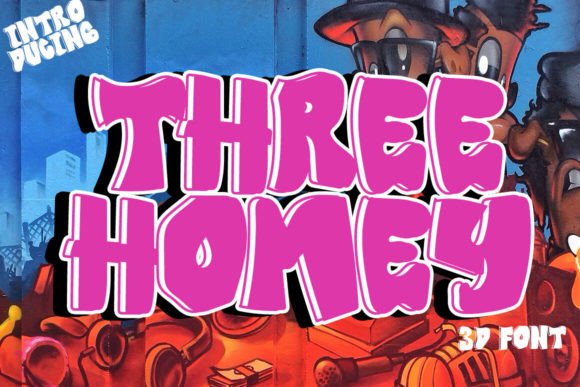
In the world of visual communication, typography is rarely just about readability. While legibility is crucial for body text and long-form content, display fonts serve a different purpose entirely. They are the voice of your design—the element that grabs attention, sets the mood, and communicates personality before a single word is read. Among the vast library of available typefaces, few capture the raw, unfiltered energy of street culture quite like Three Homey. This incredibly unique graffiti display font has been masterfully designed to become a true favorite among creators who want to bring their ideas to the highest level.
If you have ever looked at a vibrant mural in an urban alleyway or seen bold lettering on a skateboard deck, you understand the power of this aesthetic. It is rebellious, authentic, and undeniably human. Three Homey captures that essence, offering a digital solution for designers who need to inject a sense of movement, grit, and creativity into their projects. But what exactly makes this font stand out? Who should use it, and how can you integrate it effectively into your workflow?
The Essence of Three Homey
To appreciate Three Homey, one must first understand the context of its inspiration. Graffiti art is not merely vandalism; it is a complex form of expression that relies heavily on rhythm, flow, and structural integrity. The letters must connect, overlap, and interact with one another to create a cohesive visual statement. Three Homey translates these physical characteristics into a digital format without losing the organic feel of hand-drawn ink on concrete.
This font is characterized by its dynamic strokes and irregular edges. Unlike geometric sans-serifs that rely on perfect symmetry, Three Homey embraces imperfection. The varying thickness of the lines mimics the pressure applied by a spray can or a marker, giving each character a distinct weight and presence. This variability is what gives the font its "homey" yet edgy appeal—it feels familiar and accessible, yet distinctly artistic.
For creators, this means that every instance of text using Three Homey carries an inherent narrative. It suggests spontaneity and authenticity. When you choose this font, you are not just selecting a typeface; you are selecting a vibe. It is ideal for projects that require a break from the corporate monotony of standard web fonts, offering a fresh perspective that resonates with modern audiences who value individuality.
Key Features and Characteristics
Understanding the technical and aesthetic features of Three Homey helps users maximize its potential. Here are the core attributes that define this unique typeface:
- Dynamic Stroke Widths: The font features natural variations in line weight, simulating the effect of a hand-held tool. This adds depth and texture to headlines, making them pop against backgrounds.
- Organic Connectors: Many characters in Three Homey feature subtle ligatures or connecting strokes that mimic the continuous flow of graffiti writing. This creates a sense of unity within words and phrases.
- Bold Display Presence: Designed primarily for display purposes, this font commands attention. It is best used in large sizes where the intricate details of the letterforms can be appreciated.
- Versatile Attitude: While rooted in street culture, Three Homey is versatile enough to fit into various creative contexts, from music posters to fashion branding, provided it is used correctly.
These features make Three Homey more than just a novelty item. It is a functional tool for designers who understand the balance between style and substance. The font’s ability to convey emotion through shape alone allows it to enhance storytelling in visual media.
Where Three Homey Shines: Practical Applications
One of the most common questions designers ask is, "Where does this font belong?" Because Three Homey is a display font, it is not suitable for body text or small-sized captions. However, its impact is undeniable in specific scenarios. Below are several real-world applications where this font excels.
Event Branding and Posters
Music festivals, skate competitions, and street art exhibitions are natural homes for Three Homey. The font’s energetic nature aligns perfectly with the excitement of live events. Imagine a concert poster where the band’s name is rendered in Three Homey; the jagged edges and bold forms instantly communicate the high-energy atmosphere of the performance. Similarly, event flyers benefit from the font’s ability to stand out in a crowded digital feed or physical bulletin board.
Fashion and Streetwear Labels
The intersection of fashion and street culture is fertile ground for graffiti-inspired typography. Clothing brands looking to establish an urban identity often turn to fonts like Three Homey for logos, taglines, and lookbook headers. The font’s rugged aesthetic pairs well with textures like denim, leather, and distressed fabrics. It signals to the consumer that the brand is grounded in youth culture and authenticity.
Social Media Content
In the fast-paced world of social media, stopping the scroll is the primary goal. Standard serif or sans-serif fonts often blend into the background. By incorporating Three Homey into Instagram stories, YouTube thumbnails, or TikTok overlays, creators can add a layer of visual interest that distinguishes their content. Short, punchy quotes or challenge hashtags set in this font can drive engagement by appearing more personal and less manufactured.
Logo Design and Mascots
While full sentences are difficult to read in graffiti styles, short brand names or monograms work exceptionally well. Three Homey can be used to create custom logo marks that feel bespoke and memorable. For example, a local coffee shop with a hipster vibe might use the font for its secondary logotype, adding a touch of counter-culture cool to an otherwise traditional business.
Evaluating Suitability for Your Project
Before downloading and installing Three Homey, it is essential to evaluate whether it aligns with your project’s goals. Not every design needs a graffiti aesthetic, and forcing this font into inappropriate contexts can result in a cluttered or unprofessional look. Consider the following factors when deciding if Three Homey is the right choice.
- Tone and Audience: Is your audience young, creative, or culturally aware? Does your brand voice allow for playfulness and rebellion? If your project is for a law firm or a medical clinic, Three Homey may undermine trust and authority.
- Readability Needs: Remember that display fonts are meant to be glanced at, not read extensively. Ensure that the text length is short—ideally under ten words per headline.
- Visual Balance: Graffiti fonts are visually heavy. Pair them with clean, minimal backgrounds or simple geometric shapes to let the typography breathe. Avoid competing patterns or busy images that will clash with the intricate details of the letters.
By approaching Three Homey with intention, you can avoid the pitfall of using it as a crutch for poor design. Instead, use it as a strategic accent that enhances your overall message.
Considerations and Limitations
No font is perfect, and understanding the limitations of Three Homey is part of mastering its use. One significant consideration is kerning and spacing. Due to the irregular shapes of the characters, automatic spacing may sometimes look uneven. Designers may need to manually adjust the spacing between letters to achieve a balanced look, especially when setting wide titles.
Additionally, compatibility across different platforms should be checked. While most modern operating systems support standard font formats, ensure that the file you acquire is compatible with your design software (such as Adobe Illustrator, Photoshop, or Figma). Furthermore, always verify the licensing terms. Some free fonts come with restrictions on commercial use, so understanding the legal implications is crucial for professional projects.
Another limitation is the risk of overuse. Because graffiti aesthetics are popular, there is a danger of your design feeling cliché. To keep your work fresh, experiment with color gradients, texture overlays, or mixing Three Homey with contrasting typefaces. For instance, pairing the rough edges of Three Homey with a sleek, modern sans-serif can create a striking juxtaposition that feels contemporary rather than retro.
Conclusion
Three Homey is more than just a font; it is a tool for expression. Its unique graffiti-inspired design offers creators a way to infuse their work with energy, attitude, and authenticity. Whether you are designing a poster for a local gig, branding a new streetwear line, or simply trying to make your social media posts stand out, this display font provides a powerful visual language.
By understanding its characteristics, respecting its limitations, and applying it thoughtfully, you can leverage the full potential of Three Homey. It invites you to break the rules of traditional typography and explore the creative possibilities of urban art. In a digital landscape often dominated by uniformity, Three Homey reminds us that design can be personal, bold, and beautifully imperfect. Embrace its spirit, and watch your creative ideas reach new heights.