Kyosta Compressed Sans: Elevating Visual Hierarchy and Multilingual Design
In the contemporary landscape of graphic design, typography is no longer just a vehicle for text; it is a primary visual element that dictates brand identity, user engagement, and emotional resonance. Among the myriad of typefaces available to designers, Kyosta Compressed Sans has emerged as a distinctive tool for those seeking a blend of structural efficiency and playful character. This tall, compressed sans-serif display font offers a unique solution for projects requiring bold impact without sacrificing readability or aesthetic sophistication.
Whether you are crafting a logo for a startup, designing social media assets, or laying out a book cover, the choice of typeface can make or break the visual narrative. Kyosta stands out not only for its striking verticality but also for its extensive multilingual support, making it an indispensable asset for global brands and diverse creative projects. This article explores how Kyosta addresses common design challenges, its practical applications across various media, and why it serves as an excellent companion to script or serif fonts.
Understanding the Architecture of Kyosta
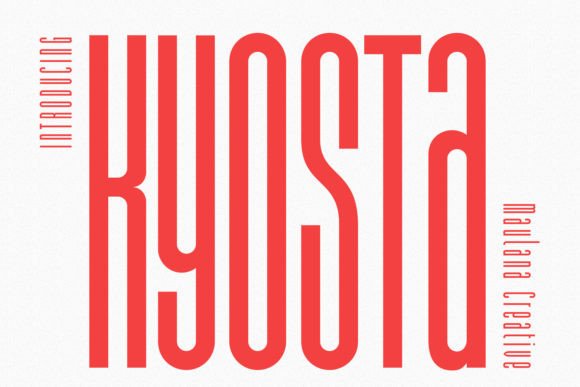
To appreciate the utility of Kyosta, one must first understand its structural DNA. As a tall compressed sans display font, Kyosta features a regular stroke weight that belies its imposing presence. The "compressed" nature of the letterforms allows designers to pack more horizontal space into limited areas while maintaining a sense of height and grandeur. This characteristic is particularly valuable in modern web design and print layouts where screen real estate or physical page width is at a premium.
However, Kyosta is far from a rigid, utilitarian block of text. It possesses a fun character driven by subtle stylistic alternates and ligatures. These small details inject personality into the design, preventing the font from feeling sterile or overly corporate. For instance, the inclusion of contextual ligatures can soften the transitions between certain letter pairs, creating a smoother visual flow that feels both modern and hand-crafted. This balance between geometric precision and organic charm makes Kyosta versatile enough for both high-impact headlines and nuanced secondary text.
Solving Common Design Challenges
Designers often face specific hurdles when selecting a typeface that needs to perform multiple roles. One of the most persistent challenges is finding a font that commands attention in short bursts (like logos) but remains legible in longer passages (like body copy or subtitles). Another significant hurdle in our interconnected world is ensuring that typography supports the linguistic diversity of your audience.
The Multilingual Advantage
Perhaps the most compelling argument for using Kyosta is its robust support for more than 100 languages. In an era where global reach is a standard business goal, relying on a font with limited character sets can alienate potential customers or compromise the integrity of localized marketing materials. Kyosta’s extensive glyph coverage ensures that whether you are designing for English, Spanish, Arabic, Cyrillic, or Asian markets, the typographic voice remains consistent. This eliminates the need to swap fonts during localization, preserving the cohesive visual identity of the project across all regions.
Optimizing Space and Impact
For social media managers and digital marketers, the challenge is often grabbing attention within seconds. A tall, compressed font like Kyosta naturally draws the eye upward and inward, creating a compact yet powerful visual anchor. This makes it ideal for overlays on images, thumbnail text for videos, or headers in email newsletters where space is tight but impact must be high. By utilizing Kyosta, designers can create striking compositions that fit seamlessly into constrained UI elements without losing legibility.
Practical Applications and Use Cases
The versatility of Kyosta Compressed Sans allows it to shine in a variety of contexts. Below are some specific scenarios where this font excels, along with recommendations on how to implement it effectively.
- Logo Design and Branding: The unique shape of Kyosta makes it an excellent candidate for logotypes. Its compressed form allows for monogram-style designs that are memorable and scalable. Pair the boldness of Kyosta with clean, minimalist backgrounds to let the typography speak for itself. The stylistic alternates can add a signature touch that differentiates your brand from competitors using more generic sans-serifs.
- Social Media Content: In the fast-scrolling environment of Instagram, TikTok, or LinkedIn, text needs to be instantly readable. Use Kyosta for quotes, announcements, or key takeaways. Its tall proportions ensure that even small text sizes remain clear on mobile devices. Consider using the font in all caps for maximum emphasis, leveraging its strong vertical lines to create a sense of authority and excitement.
- Movies Titles and Book Covers: Display fonts thrive in editorial contexts. Kyosta’s dramatic height and refined stroke make it perfect for movie posters, album covers, and book titles. It conveys a sense of modernity and sophistication that appeals to contemporary audiences. When used for long text letters, such as chapter headings or pull quotes, it adds a layer of elegance that complements the content without overpowering it.
- Secondary Text and Accents: While Kyosta is primarily a display font, its regular stroke weight makes it suitable for secondary text when paired correctly. It works exceptionally well alongside script fonts or traditional serifs. For example, pairing the structured, geometric lines of Kyosta with the flowing curves of a calligraphic script creates a beautiful contrast. This combination is popular in wedding invitations, fashion magazines, and luxury branding, where the juxtaposition of old and new styles tells a richer story.
Implementation Strategies for Maximum Effect
To get the most out of Kyosta, designers should adopt a strategic approach to its usage. Here are some best practices to consider:
- Hierarchy Through Scale: Because Kyosta is tall and compressed, changing the size dramatically alters its visual weight. Use large scales for headlines to leverage its display qualities, and smaller scales for subheads or captions to maintain readability. Avoid using it in tiny paragraph text, as the compressed nature may reduce legibility at very small sizes.
- Leverage Stylistic Sets: Don’t overlook the font’s stylistic alternates. Experiment with different ligature combinations to find the ones that best suit your brand’s tone. Some sets may feel more playful, while others might appear more serious or elegant. Testing these variations in context will help you refine the overall aesthetic.
- Contrast is Key: When using Kyosta as a secondary font, ensure there is sufficient contrast with the primary typeface. If your main font is a heavy slab serif, pair it with Kyosta in a lighter weight to avoid visual competition. Conversely, if your primary font is delicate, use Kyosta to provide a solid foundation.
- Color and Background: The effectiveness of a tall, compressed font can be enhanced by thoughtful color choices. High-contrast color combinations, such as black text on white or neon accents on dark backgrounds, can make Kyosta pop. Additionally, considering the background texture or image behind the text is crucial; ensure the font color stands out clearly against any underlying visuals.
Conclusion
Kyosta Compressed Sans is more than just another typeface; it is a strategic design tool that addresses the multifaceted needs of modern creators. From its ability to support over 100 languages to its charming mix of compression and playfulness, Kyosta offers a comprehensive solution for designers looking to elevate their work. Whether you are building a global brand identity, creating engaging social media content, or designing stunning editorial layouts, Kyosta provides the flexibility and impact needed to stand out.
By understanding its architectural strengths and applying it thoughtfully within your projects, you can harness the full potential of this versatile font. Embrace the tall, compressed aesthetic of Kyosta to create work that is not only visually stunning but also functionally superior. In a world saturated with visual noise, choosing the right typography is a decisive step toward clarity, connection, and creative excellence.