Paris 1920: Elevate Your Designs with Vintage Elegance
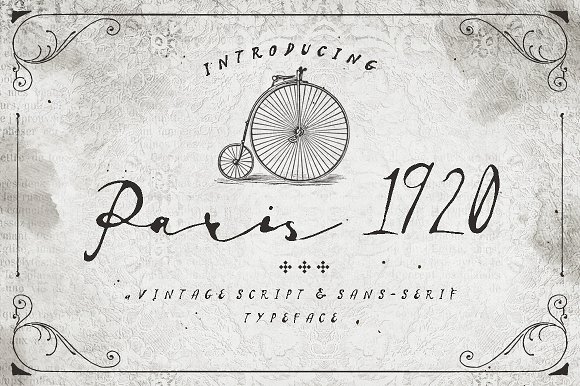
In the ever-evolving landscape of graphic design, finding a typeface that bridges the gap between historical charm and modern usability is a rare treasure. Enter Paris 1920, a handmade vintage font created by Klapaucius Co that instantly infuses any project with sophistication and warmth. This stunning font comes in two distinct versions: Paris 1920 Script and Paris 1920 Sans Serif. Each version features a classic handwriting style that works great for when you need to add character and a personal touch to your designs, making it an essential asset for creators seeking authenticity.
The Power of Handcrafted Typography in Modern Branding
In an era dominated by clean, minimalist aesthetics, there is a growing desire for visual elements that feel human and tactile. Paris 1920 responds to this trend by offering typography that doesn’t just convey information but evokes emotion. The subtle irregularities inherent in its handmade style mimic the natural flow of ink on paper, creating a sense of intimacy that rigid geometric fonts often lack. For brands aiming to establish a premium or artisanal identity, incorporating such distinctive creative assets can significantly strengthen brand recognition.
When selecting a font for branding, consistency is key. Paris 1920 offers versatility through its dual formats. The script variant captures the elegance of early 20th-century calligraphy, perfect for logos and headlines where visual hierarchy needs to be established with flair. Meanwhile, the sans-serif option provides a cleaner, more accessible alternative for body text or secondary information, ensuring that readability remains high without sacrificing stylistic cohesion. This duality allows designers to maintain a unified look across various media, from digital marketing campaigns to physical print materials.
Practical Applications Across Creative Projects
The adaptability of Paris 1920 makes it suitable for a wide array of design workflows. Whether you are crafting a brand identity for a boutique hotel or designing packaging for an organic skincare line, this font adds a layer of professional presentation that resonates with audiences. Here are several ways to effectively integrate this typeface into your projects:
- Branding and Logo Design: Use the script version for main logotypes to create an immediate impression of luxury and heritage. Pair it with a simple sans-serif wordmark for balance.
- Social Media Graphics: Stand out in crowded feeds by using Paris 1920 for quotes, announcements, or event details. Its unique shape draws the eye, increasing engagement rates.
- Packaging Design: On product labels, the font’s vintage aesthetic suggests quality craftsmanship. It pairs beautifully with earthy color palettes and textured backgrounds.
- Editorial Design: Enhance magazine layouts or blog headers with the font to give articles a polished, editorial feel that encourages longer reading times.
- Web and UI Design: While best used sparingly in UI due to legibility concerns, Paris 1920 can serve as a powerful accent in hero sections or landing pages to set the tone before users dive into functional content.
Optimizing Visual Hierarchy and Readability
To get the most out of Paris 1920, designers must consider how typography interacts with other visual elements. Because the font has significant personality, it should not compete with imagery or complex compositions. Instead, use it to anchor specific areas of your design. For instance, in a web design context, pairing the script header with a highly readable sans-serif body font creates a clear visual hierarchy. This approach ensures that while the user is drawn in by the aesthetic appeal, they can still navigate the interface effortlessly.
Color also plays a crucial role in highlighting the font’s characteristics. A deep charcoal or navy blue against a cream or off-white background can enhance the contrast and make the handwritten strokes pop. Avoid overly bright or neon colors, which can clash with the vintage nature of the typeface. By maintaining a cohesive color palette that complements the font’s warm tones, you ensure a harmonious overall composition.
Evaluating Quality and Compatibility
When integrating new fonts into your design system, it is vital to evaluate their scalability and compatibility. Paris 1920, being a display-focused typeface, shines at larger sizes where its intricate details are visible. At smaller sizes, it may lose some of its charm, so reserve it for headlines and short phrases. Always test your designs across different devices and screen resolutions to ensure the font renders correctly. Furthermore, check the licensing terms to ensure you have the appropriate rights for both commercial and personal use, safeguarding your creative projects from legal issues.
Ultimately, thoughtful design choices elevate communication. By choosing a high-quality creative asset like Paris 1920, you are investing in the narrative of your brand. It tells a story of care, attention to detail, and timeless style. In a digital world saturated with generic templates, providing a personal touch through exceptional typography helps businesses connect more deeply with their audience, turning passive viewers into engaged customers.